top of page
Search

2022 Ram 5500 6.7L Cummins | Hydraulic Lifter Failure & Hamilton Flat Tappet Conversion

Writer: 441diesel
441diesel
4 days ago
5 min read

Our technician began by examining the pistons and cylinder walls for evidence of physical damage. This inspection helps determine whether the valvetrain failure may have affected other internal engine components.

The technician examined the tops of the lifters for physical damage. Since the hydraulic lifters were identified as the source of the excessive valve lash, inspecting their condition was an important part of documenting the failure.


This photo documents damage to the pushrods resulting from excessive valve lash.

When the hydraulic lifters fail to maintain the correct clearance, the resulting abnormal movement can place additional stress on the pushrods and other valvetrain components.


To provide access for the extensive engine repair, the cab was removed from the Ram 5500.

Removing the cab allows technicians to reach areas of the engine that would otherwise be difficult to access during major disassembly and component replacement.


During the repair, the technician documented an overfilled crankcase containing oil and fuel.

Fuel contamination can dilute engine oil and reduce its ability to lubricate and protect internal components. This finding was documented during the repair process; the photograph alone does not establish the source of the fuel contamination.


The engine's front cover was removed to provide access to the camshaft and associated timing components.

This step was necessary to prepare for removal of the original camshaft and installation of the replacement components.


The original lifters were removed from the engine as part of the repair and conversion process.

Removing the failed hydraulic lifters allowed the technician to proceed with the replacement valvetrain configuration.


This photo documents debris associated with the failed rocker arms, pushrods, and lifters.

The presence of damaged components and debris highlights the extent of the valvetrain failure and the importance of carefully inspecting the affected areas.

The original camshaft was removed from the engine to prepare for the Hamilton flat tappet conversion.

The camshaft controls valve timing through the engine's valvetrain and must be correctly installed and timed for proper engine operation.

A new rear main crankshaft seal and rear cover gasket were installed.

These sealing components help prevent engine oil from escaping at the rear of the engine.

A new rear camshaft seal was installed to seal the corresponding area of the engine.

Replacing accessible sealing components during major engine disassembly helps reduce the likelihood of having to repeat extensive labor to address future leaks.

The front timing housing was removed from the engine to provide additional access to the camshaft and timing components.

This was part of the preparation for installing the new camshaft and completing the conversion.

The repair included a Hamilton flat tappet conversion, replacing the factory hydraulic lifter arrangement with a compatible flat tappet configuration.

This conversion addresses the failed hydraulic lifter setup by using a different valvetrain design. Proper component compatibility, installation, lubrication, and valve lash adjustment are essential for this type of conversion.

The technician used a press to remove the gear from the original camshaft.

This is a precision operation involving a critical component of the engine's timing system.
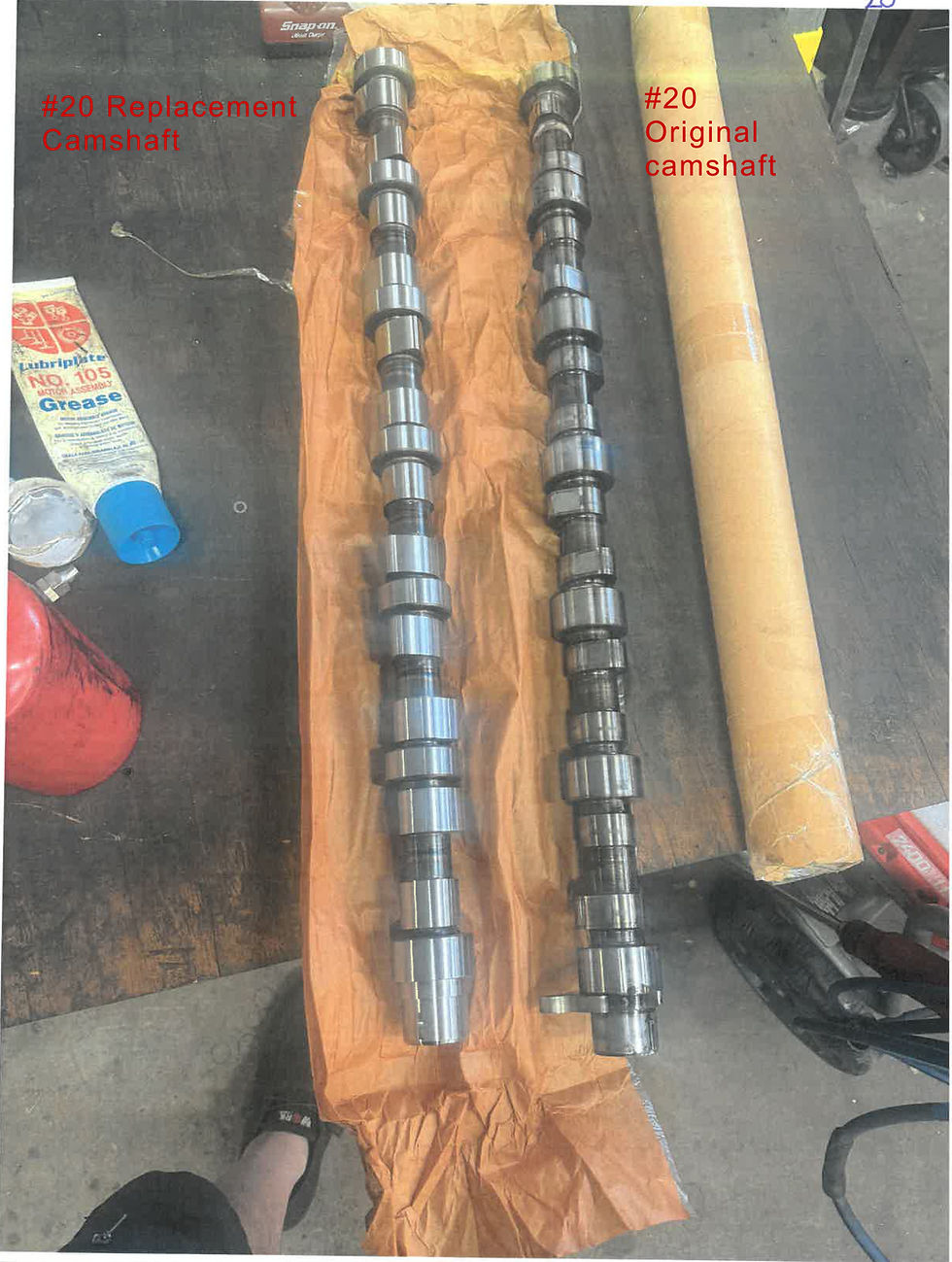
The original camshaft is shown alongside the replacement camshaft.

This comparison documents the transition from the factory configuration to the components being installed as part of the Hamilton conversion.

A new camshaft retainer was installed.

The retainer helps maintain the camshaft's correct axial position within the engine.

This photo documents the alignment of the timing marks between the camshaft and crankshaft.

Correct timing alignment is critical because the crankshaft and camshaft must remain synchronized for the engine's valves to operate at the appropriate points in the combustion cycle.

A new oil pan gasket was installed to seal the joint between the oil pan and engine.

Proper sealing is essential for maintaining engine oil containment during operation.

These components seal the front of the engine and help prevent oil leakage around the crankshaft.

The engine received a new front cover with a new front crankshaft seal.

These components seal the front of the engine and help prevent oil leakage around the crankshaft.

With the necessary gaskets and seals installed, the lower portion of the engine was resealed.

This completed an important stage of engine reassembly before the remaining components were installed.

Oil and fuel contamination observed at the turbocharger outlet during engine disassembly. This condition was documented but was not repaired during this service.

Banks Grid Heater Upgrade

This modification changes the original intake heating configuration. Compatibility, cold-start operation, and emissions compliance must be considered when installing aftermarket intake components.

New valve bridges were prepared for installation.

Valve bridges help transfer rocker arm movement to the appropriate valves in the cylinder head.

New pushrods were installed to replace components affected by the excessive valve lash.

Pushrods transfer motion through the valvetrain, making their condition and correct installation important for proper valve operation.

New rocker arms were prepared for installation.

Rocker arms transfer motion from the pushrods to the valve bridges, allowing the valves to open according to the camshaft's timing.

This photograph documents the installation of the new valvetrain components.

With the Hamilton flat tappet conversion, the valvetrain now uses a different lifter arrangement from the original hydraulic system. Correct mechanical valve lash adjustment is required for the converted setup.

A new valve cover gasket was installed to seal the upper portion of the engine.
The crankcase ventilation filter was replaced.

This filter is part of the engine's crankcase ventilation system, which manages crankcase vapors during operation.

A new heater hose was installed as part of the engine reassembly process.

The heater hose carries coolant through the vehicle's heating circuit.

The air conditioning system was placed under vacuum in preparation for refrigerant recharge.

This process removes air and moisture from the serviced refrigerant circuit and allows technicians to check whether the system maintains vacuum before charging.

The air conditioning system was recharged with 1.31 pounds of R-134a refrigerant, as documented by the technician.
A new engine air filter was installed.

The air filter helps prevent airborne contaminants from entering the engine's intake system.
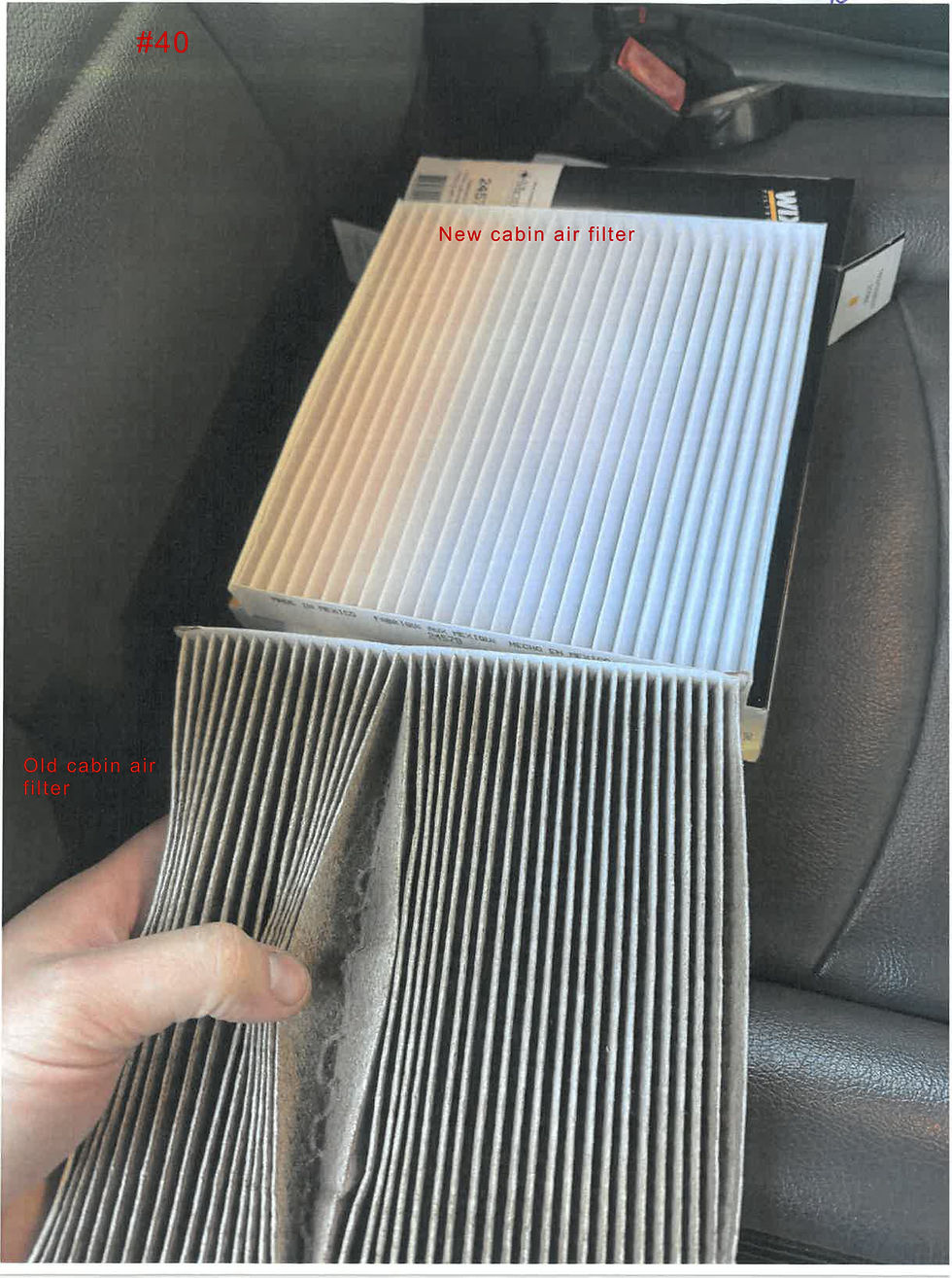
A new cabin air filter was installed to help filter air entering the passenger compartment through the HVAC system.
The engine pulley was reinstalled as part of final assembly, marking completion of the documented repair work.

Why This Repair Matters

Hydraulic lifter failure can create problems throughout the valvetrain when excessive valve lash develops.

In this case, the repair required more than replacing a single failed component. Our technicians worked through inspection, disassembly, camshaft replacement, valvetrain component replacement, engine resealing, and final reassembly.

The Hamilton flat tappet conversion was a central part of addressing the failed factory hydraulic lifter arrangement.

This project demonstrates the level of detailed mechanical work involved in repairing a major diesel engine failure.

Need Diesel Engine Repair in Northeast Georgia?

At 441 Diesel, we work on diesel trucks ranging from pickups to larger commercial vehicles.

Whether you're dealing with engine performance issues, valvetrain problems, oil leaks, or a major mechanical failure, our team is here to help.


441 Diesel

127 State Highway 164

Commerce, GA 30529

Call: 706-677-0060


Comments


DIESEL REPAIR
441 Diesel

(706) 677-0060

127 GA-164

 Commerce, GA 30529

©2019 by 441 Diesel.

  • Facebook
bottom of page